


How Allied Health services help you stay independent and at home longer
Supporting independence through personalised allied health care
Staying at home for as long as possible is a priority for many older Australians. Allied health services play a vital role in making this possible by focusing on maintaining physical strength, mobility, communication skills, and overall wellbeing. Personalised allied health care can address immediate health concerns as well as take a proactive approach based on the individual’s needs. As more Australians choose to spend their retirement at home and in independent living arrangements, valuing familiarity, comfort and independence above moving into full-time care. Personalised allied health support is necessary to support this lifestyle choice over time.
Through Carrington Care, allied health professionals work closely with individuals to understand their lifestyle, goals and challenges. This ensures support is tailored, practical and aligned with how each person wants to live. Learn more about their full approach to care by visiting Carrington Care.
Key benefits of personalised allied health care include:
- Improvement and long-term maintenance of mobility and balance
- Reduced risk of falls and injury
- Greater confidence in daily activities
- Support for long-term health conditions
Why physiotherapy as an allied health service is important for long-term independence at home
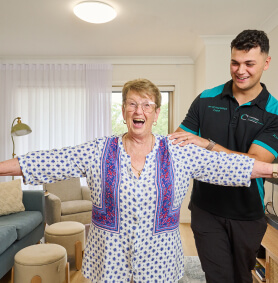
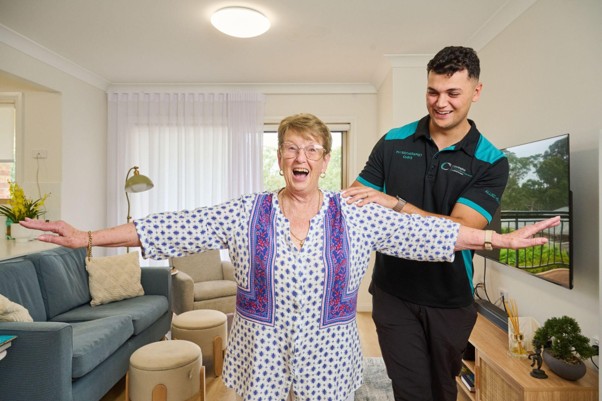
Physiotherapy is one of the most important services for maintaining independence. As the body changes over time, an individual’s strength and balance can decline, increasing the risk of falls and limiting movement.
Physiotherapists design targeted exercise programs that improve flexibility, coordination and muscle strength. These programs are often simple, practical and designed to fit into everyday routines at home, and you can explore how this is delivered throughCarrington at Home services that support you in your own home.
Physiotherapy can help with:
- Long-term balance, continuing to walk safely and confidently
- Support during recovery after an injury or surgery
- Management of chronic pain
- Prevention or slowing the process of further physical decline
How occupational therapy services make your life easier and safer
Occupational therapy focuses on making everyday tasks easier and safer. This includes activities like cooking, dressing, bathing, and moving around the home.
Our highly trained occupational therapists assess both the individual and their living environment. They recommend adjustments that improve safety and ease of movement without disrupting comfort or familiarity.
Common support strategies include:
- Installing handrails or assistive equipment based on the individual’s movement capabilities
- Reorganising home layouts for easier access and ease of movement through the space
- Teaching energy-saving techniques to avoid over-exertion
- Supporting independence in personal care routines
For those focused on independent living for older Australians, this type of support is essential, and you can see how this fits into daily living by exploring assisted living options designed for comfort and safety.
How speech pathology helps individuals communicate with confidence
Speech pathology supports individuals who experience difficulties with speaking, swallowing or understanding language. These difficulties can arise with age. These challenges can affect confidence, social connection and even nutrition. Early support can make a significant difference in maintaining quality of life, and you can learn how this level of support is provided through residential care services.
Speech pathology services may include:
- Exercises to improve speech clarity
- Strategies for safer swallowing
- Support for memory and comprehension
- Communication tools and techniques
Dietetics and nutrition for long-term wellbeing
Dietetics focuses on creating balanced, practical meal plans that meet individual health needs.
As people age and the level of activity changes, appetites and dietary needs change. Allied health professionals ensure nutrition remains a priority, even when cooking or eating becomes more challenging, with a strong focus on allied health support at home, and you can explore lifestyle support further within the retirement living community.
Support from a dietitian may include:
- Meal planning tailored to medical conditions or levels of activity
- Guidance on maintaining a healthy weight
- Nutritional support for recovery and healing
- Advice for managing swallowing or digestion issues
A connected approach to care at home
Allied health services are most effective when they work together. A coordinated care plan ensures that each aspect of health is supported without overlap or contradiction.
Through Carrington Care, individuals can access integrated services that are designed to evolve as needs change. This creates a seamless experience where care feels supportive, not overwhelming.
A connected approach helps:
- Coordinate various aspects of the individual’s lifestyle in a balanced way
- Maintain personal independence for longer
- Reduce hospital visits due to better health
- Improve overall quality of life
- Support both individuals and their families
If you are planning ahead or exploring options for yourself or a loved one, contact us today or book a visit to see how allied health services at home can support safe and independent living.